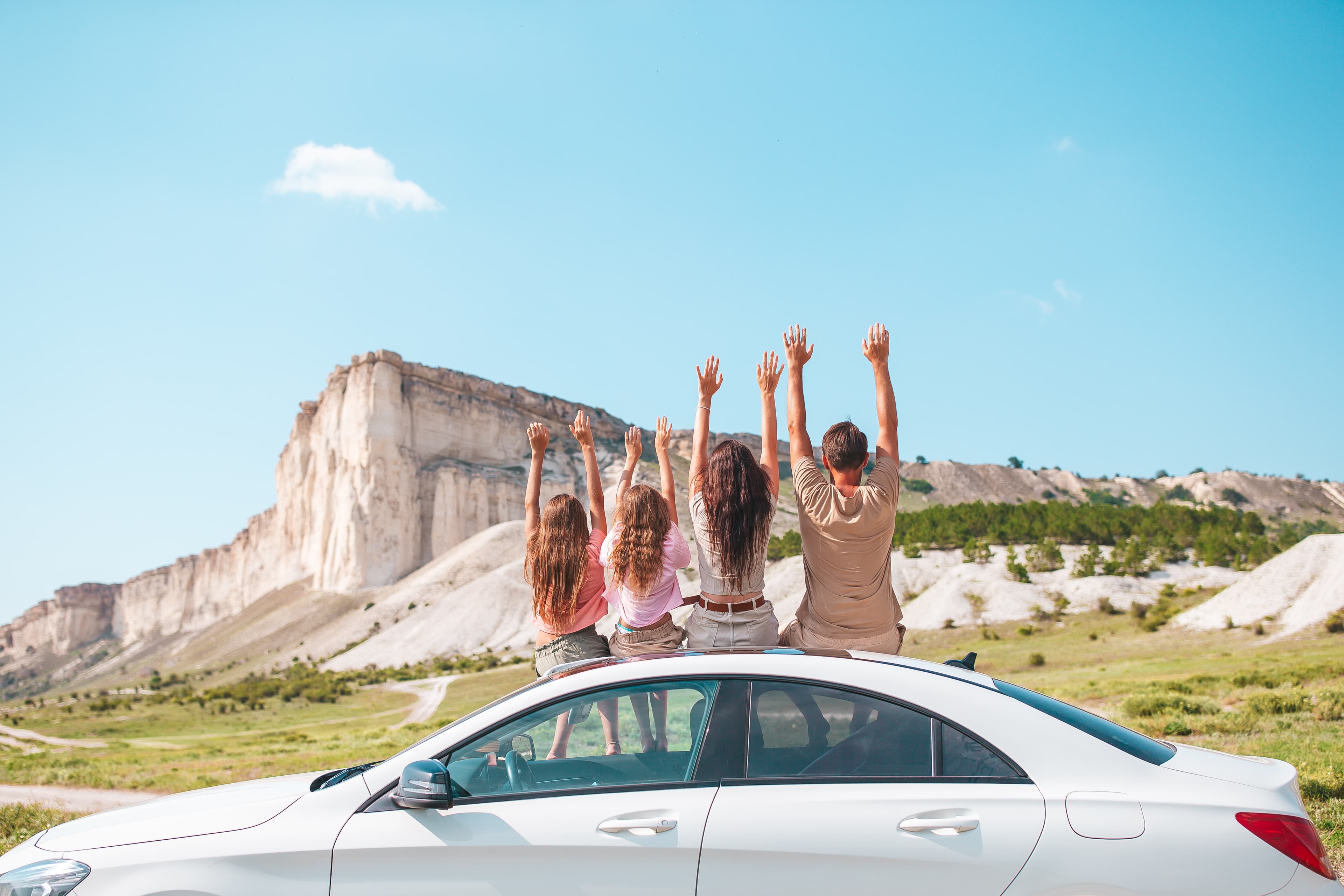
Are you dreaming of a family vacation that combines breathtaking scenery, thrilling adventures, and precious bonding moments, but feel overwhelmed by the planning, budgeting, or the thought of keeping everyone entertained on long drives? You’re not alone. Many families face these challenges when envisioning the perfect getaway.
Imagine instead a journey where every turn reveals a new wonder, from majestic mountains to pristine coastlines, vibrant cities to serene wilderness. Picture your children’s faces lighting up as they spot wildlife, explore ancient castles, or splash in crystal-clear lakes. This guide is your bridge to that unforgettable experience, transforming potential stress into seamless adventure. We’ve meticulously researched and road-tested the best of Canada, providing you with expert insights, practical tips, and detailed itineraries to ensure your family road trip is not just a vacation, but a cherished collection of memories.
This comprehensive guide, crafted by experienced Canadian family travelers, will equip you with everything you need to plan, budget, and execute the perfect Canadian road trip, ensuring every family member, from toddlers to teens, finds joy in the journey.
Charting Your Course: Essential Planning Factors for a Seamless Trip
Best Time to Visit: Seasons & Regional Nuances
Summer (June-August)
Summer is the classic family road trip season for good reason. The warmest weather makes it ideal for outdoor activities like hiking, swimming, and camping. All attractions are open, and you get those long, beautiful daylight hours that let you pack more into each day. But there’s a trade-off. This is peak season, so expect higher prices, larger crowds, and the need to book well in advance. If you’re flexible, consider early June or late August. You’ll still get great weather but with slightly fewer crowds and better deals on accommodation.
Fall (September-October)
Fall in Canada is absolutely stunning. The foliage alone is worth the trip, with vibrant reds, oranges, and yellows blanketing the landscape. Cooler temperatures make hiking more comfortable, and you’ll encounter fewer crowds at popular attractions. Rates for hotels and rentals often drop too. The downside? Shorter daylight hours mean less time for activities, and some seasonal attractions close after Thanksgiving. But if your kids can handle the earlier sunsets, fall offers a magical experience.
Spring (April-May)
Spring brings emerging wildlife, blooming landscapes, and lower prices. It’s a fantastic time for city exploration and getting outdoors without the summer crowds. However, the weather can be unpredictable. Some mountain passes might still be closed, and you could encounter mud or even snow in certain regions. Pack layers and have backup indoor plans ready.
Winter (November-March)
Winter transforms Canada into a snowy wonderland perfect for families who love skiing, snowboarding, and festive experiences. The landscapes are magical, and winter sports abound. But be prepared for harsh driving conditions in many areas, limited accessibility to some attractions, and extreme cold. This season requires extra planning and the right gear, but it rewards adventurous families with unique experiences.
For specific seasonal advisories and park opening dates, check official provincial tourism boards and Parks Canada websites before finalising your plans.
Budgeting for Every Family Size & Style
Let’s be honest, money is usually the biggest stress point when planning a family road trip. Understanding your key cost categories helps you plan realistically and avoid surprises.
Understanding Key Cost Categories
Your main expenses will fall into four buckets: accommodation (hotels, Airbnb, cabins, campgrounds), food (groceries for self-catering, restaurant meals, snacks), activities (park passes, museum entries, tours, specific attractions), and transportation (fuel, car rental if needed, tolls, parking).
Strategies for Cost Savings
Accommodation
Here’s a game-changer: book places with kitchenettes. This single decision can save you hundreds of dollars on meals. For larger families, campgrounds or vacation rentals often make more financial sense than multiple hotel rooms. And always book in advance, especially during peak season, to lock in better rates.
Food
Pack a cooler with snacks and drinks. This simple step prevents those expensive gas station stops and keeps everyone happy between meals. Plan picnics at scenic spots and self-cook when possible. Many restaurants offer kid-eat-free deals, so ask around or search online before choosing where to dine.
Activities
One of the best investments you can make is a Parks Canada Discovery Pass. It gives you unlimited access to national parks across the country, paying for itself after just a few visits. Look for free attractions too, like local parks, beaches, and hiking trails. Local tourism boards are goldmines for discount coupons and free event listings.
Transportation
Use GasBuddy to find the cheapest fuel prices along your route. It might seem like small savings, but they add up over a long trip. Travel during off-peak times to avoid traffic and potential tolls. Make sure your vehicle is well-maintained before you leave to avoid costly breakdowns on the road.
Budget Breakdown for Different Family Sizes
Budget-friendly trips (camping, self-catering) for a family of 3-4 typically run $150-250 per day, while families of 5+ might spend $200-350 daily. Mid-range trips (Airbnb, some restaurant meals) cost around $250-400 for smaller families and $350-550 for larger groups. Luxury trips (resorts, fine dining) can range from $500-800 for families of 3-4 and $700-1,200+ for larger families. These are rough estimates, but they give you a starting point for planning.
Defining Your Adventure: Duration, Age & Interests
Matching Trip Duration to Children’s Ages
Toddlers and preschoolers do best with shorter drives, maxing out at 2-3 hours per day with frequent stops. Keep schedules flexible and focus on one or two main destinations rather than trying to cover too much ground. Elementary-aged kids can handle longer drives, up to 4-5 hours, and they love varied activities. They’re at that perfect age for interactive museums and nature exploration. Teenagers can manage longer distances and often seek adventure activities like ziplining or rafting. They appreciate cultural experiences and opportunities for some independence.
Identifying Your Family’s Core Interests
Think about what gets your family excited. Are you adventure seekers who want hiking, kayaking, mountain biking, and wildlife viewing? Nature lovers who prioritize national parks, scenic drives, and stargazing? History buffs drawn to historical sites, museums, heritage towns, and Indigenous cultural experiences? Foodie families who seek local markets and farm-to-table restaurants? Or relaxation enthusiasts who prefer beach towns, lakeside retreats, and family-friendly resorts with pools and amenities?
Matching your destination to your family’s interests makes a huge difference in how much everyone enjoys the trip. Don’t try to please everyone with every single stop. Instead, choose destinations that offer a variety of activities within your core interest areas.
Canada’s Top Family Road Trip Destinations: Regional Adventures Await
British Columbia Rockies (Banff, Jasper, Lake Louise)
The BC Rockies are a UNESCO World Heritage site offering unparalleled mountain scenery, turquoise lakes, abundant wildlife, and endless outdoor activities. If you’ve got an active family, this is your dream destination.
Top Family-Friendly Attractions
Lake Louise and Moraine Lake are the crown jewels. The water is that impossible turquoise blue that doesn’t look real in photos. You can canoe on Lake Louise or take easy hikes around the shoreline. Johnston Canyon features catwalks built into the canyon walls leading to stunning waterfalls. In winter, it transforms into an ice walk wonderland. Maligne Canyon in Jasper is the shortest, deepest canyon in the Rockies and offers easy viewing platforms perfect for families.
The Columbia Icefield Adventure is unforgettable. Take an ice explorer tour onto the glacier itself, then walk the Glacier Skywalk, a glass-floored observation platform suspended over a valley. And wildlife? You’ll spot elk, deer, and if you’re lucky (from a safe distance), bears.
Age-Specific Activity Recommendations
Toddlers and preschoolers love the gondola rides in Banff and at Lake Louise. These give you stunning views without the hiking effort. Look for short paved trails and playgrounds in the town sites. Elementary-aged kids are ready for easy to moderate hikes, canoeing adventures, and cave explorations. Check out the junior ranger programs at Parks Canada sites. Teenagers can handle white water rafting, more challenging hikes, mountain biking, and even via ferrata climbing routes.
Best Time to Visit & Recommended Duration
June through September is ideal for hiking and water activities. If you want fewer crowds but can handle potentially limited services, try late May or early October. Plan for 5-7 days to explore Banff, Lake Louise, and Jasper without rushing. This gives you time to really experience each area and rest between activities.
Unique Aspects for Families
The wildlife viewing opportunities are exceptional. You’ll get incredible photos that your kids will treasure. There are hiking trails for every skill level, and the hot springs in Banff provide a perfect way to relax sore muscles after a day of adventure.
One honest heads-up: the Rockies get very crowded in July and August. Parking at popular spots like Lake Louise can be a nightmare. Book early and plan to arrive at popular destinations either very early in the morning or later in the afternoon. Check Parks Canada’s website for current trail conditions, safety alerts, and wildlife guidelines before you go.
Accommodation Options for Families in the BC Rockies
For luxury, the Fairmont Chateau Lake Louise is spectacular but pricey. Mid-range families love the Banff Park Lodge for its central location and family-friendly atmosphere. Cabins and vacation rentals in Canmore, Banff, and Jasper offer more space and kitchen facilities, which is great for families. If you’re up for camping, Parks Canada operates numerous campgrounds like Tunnel Mountain, Two Jack Lakeside, and Whistlers. These provide an immersive nature experience but book well in advance because they fill up fast.
Family-Friendly Dining & Snack Spots in the BC Rockies
The Old Spaghetti Factory in Banff is reliable for picky eaters. Bear’s Paw Bakery in Jasper works well for quick eats and treats. You’ll find plenty of pizza joints and casual dining options in both townsites. But honestly, pack a lunch and enjoy a picnic at one of the scenic pull-offs or lake shores. The views are unbeatable. Don’t forget to try BeaverTails in Banff, a Canadian classic pastry that kids love. And keep that cooler stocked with healthy snacks and drinks to minimize stops and prevent hunger meltdowns.
Sample Itinerary for the BC Rockies (5-Day Adventure)
Day 1: Arrive in Banff and explore the townsite. Check into your accommodation, walk down Banff Avenue, and take a gondola ride up Sulphur Mountain for sunset views.
Day 2: Visit Lake Louise and Moraine Lake. Get there early to beat the crowds. Take an easy hike or canoe on Lake Louise. Pack a picnic lunch.
Day 3: Drive the stunning Icefields Parkway to Jasper. Stop at Bow Lake, Peyto Lake (the viewpoint is a short walk), and do the Columbia Icefield Adventure. This is a full day of driving with stops, so pack snacks and entertainment for the car.
Day 4: Explore Jasper National Park. Hike Maligne Canyon in the morning, then head to Maligne Lake. Consider the boat tour to Spirit Island if your kids can sit still for it. Alternatively, do the easy Valley of the Five Lakes hike.
Day 5: Enjoy a final morning activity like a short hike or soak in the hot springs before heading home or continuing your journey.
Niagara Falls, Ontario
Niagara Falls combines iconic natural wonder with entertainment and theme parks. It’s perfect for families of all ages who want a mix of awe-inspiring sights and pure fun.
Top Family-Friendly Attractions
The Journey Behind the Falls takes you through tunnels carved into the bedrock behind the waterfall. You’ll feel the power of the water and get incredibly close to this natural wonder. Clifton Hill is the entertainment district, packed with attractions, restaurants, and yes, plenty of tourist traps. But kids love it. The arcades, haunted houses, and mini golf keep them entertained for hours. Marineland offers marine animal shows and amusement rides, though some families prefer to skip the animal attractions for ethical reasons.
Don’t miss the Niagara Parks Butterfly Conservatory, where thousands of butterflies fly freely in a tropical garden. The Whirlpool Aero Car is a cable car suspended over the Niagara River whirlpool, offering thrilling views. And of course, take a Hornblower Cruise (or whatever it’s called now) to get up close to the base of the falls. Everyone gets a poncho, and you will get soaked.
Age-Specific Activity Recommendations
Toddlers and preschoolers love the boat cruise (though it can be loud), the butterfly conservatory, and the simple joy of watching the falls. Elementary-aged kids are ready for more adventurous activities like the Journey Behind the Falls, ziplines over the gorge, and the attractions on Clifton Hill. Teenagers enjoy the more thrilling rides at Marineland and appreciate the history and power of the falls. Some teens also enjoy the evening light shows on the falls.
Best Time to Visit & Recommended Duration
May through October offers the best weather and all attractions open. Summer is peak tourist season, so expect crowds. The falls are illuminated year-round in the evenings, which is spectacular, but many outdoor attractions close in winter. Plan for 2-3 days to see the falls from both the Canadian and American sides (if you have passports) and enjoy some of the attractions without rushing.
Accommodation Options
Hotels along Fallsview Boulevard offer direct views of the falls but at premium prices. The Sheraton on the Falls and Marriott Fallsview are family-friendly with pools and restaurants. For budget-conscious families, stay a bit farther from the falls in Niagara Falls or nearby St. Catharines. Vacation rentals in the area can offer better value for larger families.
Family-Friendly Dining
Clifton Hill has endless options, from Rainforest Cafe to pizza joints and burger spots. For something more local, head into Niagara-on-the-Lake for charming restaurants and ice cream shops. Pack snacks because food near the main tourist areas gets expensive fast.
Sample Itinerary for Niagara Falls (2-Day Adventure)
Day 1: Arrive and explore the falls area. Take the Hornblower Cruise in the morning when crowds are lighter. Do the Journey Behind the Falls. Watch the evening illumination of the falls from Table Rock. If your kids have energy left, hit Clifton Hill for dinner and arcade games.
Day 2: Visit the Butterfly Conservatory in the morning. Drive the scenic Niagara Parkway to Niagara-on-the-Lake for lunch and exploring this charming historic town. If you want more thrills, spend the afternoon at Marineland or trying adventure activities like ziplining. Or keep it relaxed with a winery tour (many have grape juice tastings for kids) and beautiful gardens.
Prince Edward Island
PEI is perfect for families who love beaches, charming small towns, and literary history. It’s especially great for families with younger children who adore the Anne of Green Gables stories.
Top Family-Friendly Attractions
Cavendish Beach is stunning, with red sand cliffs and warm(ish) water perfect for swimming and building sandcastles. The beaches here are some of the best in Canada for families. Green Gables Heritage Place brings Lucy Maud Montgomery’s beloved books to life. Walk through the house that inspired the setting, explore the grounds, and let your kids imagine Anne’s adventures. In Charlottetown, the capital city offers interactive museums, waterfront boardwalks, and excellent local food.
The Confederation Trail is perfect for family bike rides. It’s a former railway converted to a flat, scenic trail that crosses the island. Rent bikes and explore sections of it. Don’t miss local attractions like Cows Creamery for amazing ice cream (and factory tours) and lobster suppers, a PEI tradition where you feast on fresh lobster in a casual, family-friendly setting.
Age-Specific Activity Recommendations
All ages love the beaches, but younger children especially enjoy the gentle waves and warm sand. Elementary-aged kids get the most from Green Gables and Anne-related activities. Teens might find Anne a bit young for them but will enjoy the beaches, biking, kayaking, and the relaxed island vibe. For families exploring Canadian activities with younger children, PEI offers a gentler pace compared to mountain adventures.
Best Time to Visit & Recommended Duration
July and August offer the warmest weather and ocean temperatures, making them ideal for beach activities. However, this is also peak tourist season. Early September can be lovely with fewer crowds and still pleasant weather. Plan for 4-5 days to explore the island’s north shore beaches, Charlottetown, and some of the scenic coastal drives without feeling rushed.
Accommodation Options
Cavendish has numerous family-friendly resorts, cottages, and campgrounds. Many offer direct beach access and pools. Kindred Spirits Country Inn & Cottages near Green Gables is popular with families. In Charlottetown, hotels like the Delta Prince Edward offer comfortable family accommodations. For budget-friendly options, provincial park campgrounds provide excellent facilities right near the beaches.
Family-Friendly Dining
PEI is famous for its seafood, especially lobster. Try a traditional lobster supper at places like New Glasgow Lobster Suppers. Kids who don’t like seafood will still find burgers, fries, and other options. Cows ice cream is a must-try (expect lineups in summer). Charlottetown has diverse dining from casual to upscale, with many restaurants offering kids’ menus.
Sample Itinerary for Prince Edward Island (4-Day Adventure)
Day 1: Arrive via the Confederation Bridge (an impressive sight itself). Check into your Cavendish-area accommodation. Spend the afternoon at Cavendish Beach. Grab dinner at a local restaurant.
Day 2: Morning at Green Gables Heritage Place. Let the kids explore the house and grounds. Afternoon at the beach or try mini golf at one of Cavendish’s many themed mini golf courses. Evening lobster supper.
Day 3: Bike part of the Confederation Trail in the morning. Drive to Charlottetown for lunch and afternoon exploration. Visit the waterfront, check out local shops, maybe catch a show at the Confederation Centre of the Arts (they often have family-friendly productions).
Day 4: Visit Cows Creamery for a tour and ice cream. Spend final beach time at Basin Head Beach, famous for its “singing sands.” Begin your journey home or explore more of the island’s scenic drives.
Top Family-Friendly Attractions in Quebec City
Old Quebec is a UNESCO World Heritage site that feels like stepping into a European fairy tale. Walk the cobblestone streets, explore the historic fortifications, and ride the funicular between the upper and lower towns. Montmorency Falls is just outside the city and actually taller than Niagara Falls. You can view it from the bottom, take a cable car to the top, or walk across the suspension bridge.
La Citadelle offers guided tours where you might see the ceremonial changing of the guard. Aquarium du Quebec features thousands of marine animals and outdoor exhibits with polar bears and seals. In winter, the QuebecWinter Carnival is the world’s largest winter carnival, with ice sculptures, parades, and snow activities.
Top Family-Friendly Attractions in Montreal
Mount Royal Park offers beautiful views of the city, paddle boat rentals in summer, ice skating in winter, and plenty of green space for kids to run. The Montreal Biodome lets you walk through recreated ecosystems from the Americas, from tropical rainforests to polar regions. It’s fascinating for kids and adults alike.
Old Montreal features historic architecture, street performers, and the Old Port area with a beach, ziplines, and seasonal activities. The Montreal Science Centre offers interactive exhibits that engage curious minds. If you’re visiting with children who love indoor activities, Montreal offers plenty of options even on rainy days.
Age-Specific Activity Recommendations
Kids under 8 might struggle with all the walking in Old Quebec but will love the parks, aquarium, and Biodome. Elementary-aged children start appreciating the history and unique architecture. Teenagers enjoy the European atmosphere, diverse food scene, and cultural activities. Both cities offer excellent street performances and festivals that engage all ages.
Best Time to Visit & Recommended Duration
May through October offers pleasant weather for walking these very walkable cities. Summer brings festivals galore, especially in Montreal. Winter is magical, particularly in Quebec City, but bitterly cold. Plan 2-3 days for Quebec City and 3-4 days for Montreal. If combining both, allow a full week to avoid rushing.
Accommodation Options
In Quebec City, stay within or near Old Quebec for the full experience. Fairmont Le Chateau Frontenac is iconic but expensive. Hotel Manoir Victoria offers good family value with a central location. In Montreal, the Plateau neighborhood offers character and proximity to attractions. Hotel Bonaventure Montreal has a rooftop pool and gardens that kids love. Vacation rentals work well in both cities, giving you kitchen access and more space.
Family-Friendly Dining
Both cities are food paradises. In Quebec City, try classic French-Canadian cuisine like tourtière and poutine. Le Lapin Saute offers rabbit dishes that adventurous eaters enjoy, but they also have kid-friendly options. Montreal is famous for its bagels (St-Viateur or Fairmount), smoked meat sandwiches at Schwartz’s, and poutine everywhere. Both cities have countless bistros and cafes with kids’ menus.
Sample Itinerary for Quebec City (3 Days)
Day 1: Explore Old Quebec. Walk the fortifications, ride the funicular, visit Place Royale. Evening stroll along Dufferin Terrace with street performers and views of the St. Lawrence River.
Day 2: Morning visit to Montmorency Falls. Afternoon at La Citadelle or the Aquarium du Quebec depending on your family’s interests. Evening crepes in the Latin Quarter.
Day 3: Visit Ile d’Orleans for scenic drives, farm stands, and chocolate shops. Return to the city for any missed attractions or shopping for souvenirs before departure.
Atlantic Canada (Nova Scotia & New Brunswick)
The Atlantic provinces offer stunning coastal scenery, marine life encounters, rich maritime history, and some of the friendliest people you’ll meet in Canada.
Top Family-Friendly Attractions
Peggy’s Cove in Nova Scotia is one of the most photographed lighthouses in the world, perched on smooth granite rocks with crashing waves. It’s breathtaking but watch young children carefully as the rocks can be slippery. The Bay of Fundy in New Brunswick boasts the world’s highest tides. Walk on the ocean floor at low tide, then watch it disappear under water hours later. Fundy National Park offers hiking, camping, and coastal exploration.
The Cabot Trail in Cape Breton is one of the world’s most scenic drives, winding along coastal cliffs with opportunities for whale watching, hiking, and Celtic culture. Halifax offers the Maritime Museum of the Atlantic (with its Titanic exhibit), historic waterfront, and the impressive Halifax Citadel. For a fun, quirky experience, visit the Magnetic Hill in Moncton where your car appears to roll uphill.
Age-Specific Activity Recommendations
Younger children love tide pooling at low tide in the Bay of Fundy and spotting boats and lighthouses along the coast. Elementary-aged kids enjoy whale watching tours, exploring fort reconstructions, and learning about maritime history through interactive exhibits. Teenagers appreciate the dramatic coastal scenery, longer hikes, and cultural experiences like Celtic music in Cape Breton.
Best Time to Visit & Recommended Duration
June through September offers the best weather for coastal exploration. July and August are warmest but busiest. September can be fantastic with fall colors beginning and fewer tourists. Plan at least 5-7 days to explore Nova Scotia’s highlights or focus on one region (like Cape Breton) for 3-4 days. Adding New Brunswick extends your trip by another 3-4 days.
Accommodation Options
In Halifax, downtown hotels put you near the waterfront and attractions. The Halifax Marriott Harbourfront is family-friendly with harbor views. Along the Cabot Trail, small inns, cottages, and B&Bs offer charm and local hospitality. Many provincial park campgrounds provide excellent coastal camping. In the Bay of Fundy area, the town of Alma near Fundy National Park has family accommodations and excellent seafood restaurants.
Family-Friendly Dining
Fresh seafood is the star here. Fish and chips, lobster rolls, scallops, and chowder are everywhere and generally kid-friendly. In Halifax, the waterfront has numerous restaurants with patios and views. Try The Five Fishermen for upscale seafood or The Bicycle Thief for Italian with a view. Local bakeries offer treats like Nova Scotia oatcakes. Don’t leave without trying dulse (a local seaweed snack) at least once.
Sample Itinerary for Nova Scotia (5 Days)
Day 1: Arrive in Halifax. Explore the waterfront, visit the Maritime Museum of the Atlantic. Walk to the Halifax Public Gardens.
Day 2: Day trip to Peggy’s Cove. Stop at coastal villages along the way. Afternoon at one of the beaches near Halifax.
Day 3: Drive to Cape Breton. Begin the Cabot Trail, stopping at scenic lookouts. Stay in Cheticamp or Ingonish.
Day 4: Complete the Cabot Trail. Stop for short hikes at Skyline Trail (sunset is spectacular). Look for whale watching tours in season. Explore Gaelic culture and music in the evening.
Day 5: Return toward Halifax or explore more of Cape Breton before departure. Visit Fortress of Louisbourg if time allows (living history museum that kids find engaging).
Essential Gear & Strategies for a Smooth Journey
Canada’s weather can change dramatically, especially in mountain regions. Pack versatile layers including t-shirts, long sleeves, sweaters, and fleece jackets. Waterproof and windproof outer layers are essential. Comfortable walking shoes are non-negotiable, along with hiking boots if you’re planning trails. Sandals for beaches or casual wear, swimsuits, sun hats, and depending on your season and region, warm hats and gloves. Don’t forget sleepwear and enough changes of clothes for your trip length. Here’s the thing: pack smart, not heavy. Packing cubes are game-changers for organization and space-saving.
Personal Care & First Aid
Bring all your usual toiletries, but make sure you’ve got sunscreen (even on cloudy days), insect repellent, and lip balm with SPF. Pack a comprehensive first aid kit with band-aids, antiseptic wipes, children’s pain relievers like acetaminophen or ibuprofen, any prescription medications your family needs, antihistamines for allergies, and motion sickness medication if anyone in your family is prone to car sickness. Better to have it and not need it than need it and be searching for a pharmacy in an unfamiliar town.
Entertainment for the Road
Books, coloring books, activity pads, and small toys keep little hands busy. Tablets or DVD players loaded with pre-downloaded content save the day on long stretches. Headphones for each child prevent noise wars. But here’s a pro tip: audio entertainment is a game changer. Download audiobooks (adventure stories, mysteries, or age-appropriate novels everyone can enjoy together), podcasts designed for kids, or create kid-friendly music playlists. Shared listening brings the family together, while individual headphones let everyone choose their own entertainment.
Car Essentials & Safety
Make sure you have properly installed car seats or boosters for all children who need them. Your emergency kit should include jumper cables, a flashlight with extra batteries, a blanket, and non-perishable snacks. Check that you have a spare tire, jack, and tire pressure gauge. Bring a physical map or download offline maps (cell service can be spotty in remote areas). Pack phone chargers, a power bank, and a car adapter. Keep a cooler with drinks and fresh snacks. Stock trash bags, wet wipes, and hand sanitizer for inevitable spills and messes.
Consider a roadside assistance membership through CAA or AAA. It’s worth the peace of mind, especially if you’re traveling through remote areas.
Keeping Little (and Big) Travelers Entertained
Strategies for Minimizing Boredom & Stress
Break up long drives with frequent, short stops at playgrounds, scenic lookouts, or small town attractions. This lets everyone stretch, use restrooms, and burn off energy. Involve kids in planning by letting them choose a few activities or destinations. This gives them ownership of the trip and increases their excitement. Keep your schedule flexible. Don’t overschedule every minute. Allow time for spontaneous detours, unexpected delays, and downtime where everyone can just relax.
Games & Activities for the Car
Classic road trip games never get old. Play I-Spy using things you see outside the window. The license plate game challenges kids to spot plates from different provinces or states. Twenty Questions exercises their deductive reasoning. “Would You Rather” questions spark hilarious conversations and debates.
Create custom bingo cards with things to spot on your route (animals, specific vehicles, landmarks, even types of clouds). Scavenger hunts work similarly. Make lists of increasingly difficult items to find: a red barn, someone walking a dog, a truck carrying logs, a farm with horses.
Activity binders filled with coloring pages, mazes, dot-to-dots, and word searches give kids quiet time activities. Rotate activities throughout the day to keep things fresh.
Try some unplugged Canadian adventures too. Nature observation games teach kids to really look at their surroundings. Start storytelling chains where each person adds a sentence. Use conversation starters that get everyone talking about their favorite parts of the trip so far or what they’re most excited to see next.
Mastering the Art of Road Trip Snacking & Meals
The Power of the Cooler
A good cooler is your best friend on a family road trip. Keep drinks, cut fruit, cheese sticks, yogurt, and sandwiches fresh and ready to grab. Consider a small electric cooler for longer trips, it plugs into your car and maintains consistent temperature without needing ice.
Healthy & Easy Snack Ideas
Stock up on fresh fruit like apples, bananas, grapes, and berries that travel well. Cut vegetables like carrots, cucumbers, and bell peppers paired with individual hummus or ranch dip containers. Nuts, trail mix, and granola bars provide protein and energy. Pretzels, crackers, and rice cakes satisfy the crunch craving. Individual packets of applesauce or fruit pouches are mess-free options.
Here’s the key: variety prevents complaints and keeps everyone satisfied. Mix sweet and savory, crunchy and soft. Having multiple options means someone will always find something appealing.
Picnic Perfection
Identify scenic picnic spots using apps like AllTrails or simply pull over at parks and viewpoints you discover along the way. Pack reusable plates, cutlery, napkins, and a blanket. Making lunch a picnic adventure instead of a restaurant stop saves money and creates memorable moments. Your kids will remember eating sandwiches by a pristine lake much longer than another fast food meal.
Budget-Friendly Tips for Unforgettable Canadian Vacations
Accommodation Savings
We mentioned this before but it bears repeating: booking places with small kitchens can save you hundreds of dollars on meals. Even preparing just breakfast and a few dinners yourself makes a huge difference. Camping or hostels with family rooms offer significant savings compared to hotels. Book accommodation well in advance using sites like Booking.com or Airbnb to compare prices and lock in deals.
Food Cost Reduction
Shop at local grocery stores when you arrive at each destination. Prepare your own breakfasts, pack lunches for day trips, and cook some dinners. This doesn’t mean never eating out (trying local restaurants is part of the experience), but balancing restaurant meals with self-prepared food keeps costs manageable. Look for early bird specials or family meal deals at restaurants when you do dine out.
Activity & Attraction Discounts
Local tourism boards are goldmines. They offer free guides, discount coupons, and up-to-date information on free events happening during your visit. Many cities have free admission days at museums or reduced rates for families. Parks, beaches, scenic drives, and community events cost nothing but create lasting memories. For places you know you’ll visit multiple times, like national parks, the Parks Canada Discovery Pass pays for itself quickly.
Transportation Hacks
GasBuddy helps you find the cheapest gas stations along your route. Even saving 5-10 cents per liter adds up over a long trip. Drive during off-peak hours when possible to save fuel (less idling in traffic) and avoid toll roads. Before you leave, ensure your vehicle is well-maintained. Check tire pressure, oil levels, and get any needed tune-ups. A breakdown on the road costs far more than preventative maintenance.
Safety First: Ensuring a Secure Family Adventure
Vehicle Preparedness
Before your trip, get your vehicle professionally inspected. Check tires for wear and proper inflation, ensure all fluids are topped up, test lights and wipers, and verify your spare tire is in good condition with the necessary tools to change it. Always start each day with a full tank of gas, especially when venturing into remote areas where service stations are sparse.
Driving Conditions & Road Safety
Speed limits and road rules vary across provinces. Pay attention to signage and adjust your speed for conditions. Construction zones are common in summer, slow down and stay alert. Wildlife, especially deer, elk, and moose, pose serious collision risks. They’re most active at dawn and dusk, so drive cautiously during these times and scan the roadside ahead.
Check provincial road condition websites like DriveBC or Quebec 511 before and during your trip for weather warnings, construction updates, and road closures. Government travel advisories alert you to any safety concerns in regions you’re visiting.
Wildlife Encounters
Wildlife viewing is thrilling but requires respect and caution. Always maintain a safe distance from all animals. Use binoculars or telephoto lenses for closer views. Never, ever feed wildlife. It’s dangerous for you and harmful to the animals. When camping, store all food, toiletries, and scented items in bear-proof containers or your vehicle. Know what to do if you encounter a bear: don’t run, make yourself look large, speak calmly, and back away slowly.
Emergency Preparedness
Keep your cell phone fully charged and bring a portable charger. Know that 911 works throughout Canada for emergencies. Before venturing into remote areas, inform someone of your itinerary and expected return time. Consider travel insurance that covers medical emergencies and trip interruptions. Medical care in Canada is excellent, but as visitors, you’ll need insurance coverage. Keep a list of emergency contacts, your insurance information, and any medical conditions or allergies your family members have.
Traveling Responsibly: Sustainable Tips for Families
Leave No Trace
Pack out everything you pack in. Don’t leave trash or food waste at campsites, picnic areas, or hiking trails. Leave natural areas as you found them or better. If you see litter, pick it up even if it’s not yours.
Reduce Waste
Use reusable water bottles, coffee cups, shopping bags, and food containers throughout your trip. This reduces plastic waste and often saves money (some places offer discounts for bringing your own cup). Pack cloth napkins and real utensils for picnics instead of disposables.
Support Local
Choose locally owned businesses for dining, shopping, and accommodations when possible. This keeps money in the communities you visit and provides more authentic experiences. Buy local products and souvenirs made by regional artisans rather than imported trinkets.
Minimize Your Footprint
Walk, cycle, or use public transportation where available instead of always driving. When planning your route, try to consolidate driving to minimize fuel consumption. In accommodations, be mindful of water and energy usage. Turn off lights and air conditioning when you leave, reuse towels, and take shorter showers.
Respect Wildlife
Observe animals from a distance without disturbing them. Never chase, corner, or try to touch wild animals. Feeding wildlife disrupts their natural behaviors and can make them dependent on human food, which is unhealthy for them. Keep pets on leashes in parks and natural areas.
Conserve Resources
Be conscious of your resource consumption. Many Canadian regions, especially in summer, face water restrictions. Follow local guidelines about water use. Choose reef-safe sunscreen to protect aquatic ecosystems. Stay on marked trails to prevent erosion and protect sensitive plant life.
Teaching your children about sustainable travel practices creates environmentally conscious travelers for the future. It’s one of the most valuable lessons they’ll take from your Canadian family adventure.
Canada’s Top Family Road Trip Destinations at a Glance
Destination | Best For (e.g., Adventure, Culture, Nature) | Ideal Age Range | Budget Level ($, $$, $$$) | Top Family Attraction(s) | Best Time to Visit |
British Columbia Rockies | Nature, Adventure, Hiking | 5+ years | $$$ | Lake Louise, Banff Gondola, Columbia Icefield Adventure | June – September |
Niagara Falls, ON | Iconic Sights, Entertainment, Theme Parks | All ages | $$ | Journey Behind the Falls, Clifton Hill, Marineland | May – October |
Prince Edward Island | Beaches, Charming Towns, Anne of Green Gables | All ages, especially under 12 | $$ | Cavendish Beach, Green Gables Heritage Place, Charlottetown | July – August |
Quebec City & Montreal | Culture, History, European Charm, Food | 8+ years | $$$ | Old Quebec, Mont Royal Park, Montreal Biodome | May – October |
Atlantic Canada (NS, NB) | Coastal Scenery, Marine Life, History | All ages | $$ | Peggy’s Cove, Bay of Fundy, Cabot Trail | June – September |
Your Canadian Family Adventure Awaits
With its vast and varied landscapes, welcoming communities, and endless opportunities for adventure, Canada truly is an unparalleled destination for a family road trip. From the majestic peaks of the Rockies to the historic streets of Quebec City, the pristine beaches of PEI to the vibrant cities of Ontario, there’s a unique experience waiting for every family.
We’ve explored essential planning factors, delved into top destinations, equipped you with packing and entertainment strategies, and shared crucial tips for budgeting, safety, and sustainable travel. This guide builds on firsthand experience and extensive research, designed to transform your dream trip into reality.
Final Tips for Lasting Memories
Embrace the journey, not just the destination. Those frequent, short stops to let kids burn energy often lead to discovering hidden gems you’d otherwise miss. A roadside fruit stand, an unexpected playground, or a scenic overlook can become favorite memories.
Budget for buffer time in your schedule. Overscheduling creates stress and removes the magic of spontaneity. When you’re not rushing to the next planned activity, you create space for those unexpected moments that make trips special.
Get your kids involved in planning. When children choose some activities or destinations, they feel ownership and excitement about the trip. Even young kids can help pick which hike to do or which restaurant to try for dinner.
Document your memories creatively. Encourage kids to keep travel journals where they draw pictures or write about their favorite parts of each day. Take photos, but don’t spend the whole trip behind a camera. Collect small souvenirs like pressed flowers, interesting rocks (where permitted), or postcards. These tangible reminders trigger memories for years to come.
Whether you’re seeking thrilling outdoor adventures in the mountains, peaceful beach days on the coast, cultural experiences in historic cities, or wildlife encounters in national parks, Canada offers it all. The hardest part is choosing where to start.
For families with younger children who want structured activities, consider checking out resources on Little Groovers for ideas that complement your road trip adventures. If you find yourself in Alberta, don’t miss exploring the best indoor playgrounds in Calgary for rainy day alternatives. And for those planning an extended stay in one city, a comprehensive guide like Calgary with Kids: A Year-Round Handbook of Family Activities, Indoors and Out can help you make the most of urban exploration alongside your road trip adventures.
So pack that cooler, load up your playlist, double-check your emergency kit, and hit the open road. The incredible sights, welcoming people, and unforgettable family memories of a Canadian road trip are calling. Your adventure starts now.
Frequently Asked Questions:
1. What is the best road trip in Canada?
The best road trip in Canada is the Icefields Parkway between Banff and Jasper in Alberta. This scenic highway stretches through the Canadian Rockies and offers breathtaking views of glaciers, turquoise lakes, waterfalls, and wildlife. Travelers can stop at famous sights such as Lake Louise, Peyto Lake, Athabasca Glacier, and Mistaya Canyon. The route is well maintained and suitable for families, couples, and adventure travelers. Summer and early fall provide the most comfortable driving conditions. This road trip combines natural beauty, outdoor activities, and iconic Canadian landscapes.
2. Where to go on vacation with kids in Canada?
Canada offers many excellent vacation destinations for families with children. Niagara Falls is popular for its waterfalls, boat tours, and nearby amusement attractions. Prince Edward Island is ideal for young children due to its beaches, gentle pace, and Anne of Green Gables sites. Toronto provides interactive museums, zoos, and theme parks, while Vancouver combines outdoor adventures with family-friendly city attractions. These destinations offer safe environments, short travel distances, and activities suited to different age groups. Families can enjoy nature, entertainment, and educational experiences while traveling comfortably across Canada.
3. Which part of Canada is best for families?
Ontario is considered one of the best parts of Canada for families. The province offers a wide range of attractions including Niagara Falls, Toronto’s museums, Canada’s Wonderland, and many clean lakeside towns. Ontario has reliable transportation, modern accommodations, and a strong focus on family-friendly tourism. Educational sites, outdoor recreation, and indoor entertainment are all easily accessible. In addition, healthcare services and infrastructure are excellent, providing peace of mind for traveling parents. Families can enjoy both urban excitement and peaceful natural landscapes without long travel times between destinations.
4. What is the most beautiful drive in Canada?
The most beautiful drive in Canada is widely considered to be the Icefields Parkway in Alberta. This route connects Banff and Jasper National Parks and features dramatic mountain peaks, massive glaciers, turquoise lakes, and sweeping valleys. Travelers often spot wildlife such as elk, mountain goats, and bears along the road. Numerous pull-off points allow visitors to stop for photographs, short hikes, and sightseeing. The drive is especially stunning in summer when the lakes are vibrant blue and the mountains are snow-capped, creating one of the most iconic scenic routes in North America.
5. What are the top 10 vacation destinations in Canada?
Canada’s top vacation destinations include Toronto, Vancouver, Banff, Jasper, Montreal, Quebec City, Niagara Falls, Whistler, Calgary, and Prince Edward Island. These locations offer a mix of cultural experiences, outdoor adventures, and family-friendly attractions. Toronto and Vancouver provide urban entertainment, while Banff and Jasper showcase mountain landscapes. Montreal and Quebec City highlight history and European charm. Niagara Falls remains a must-see natural wonder, while Whistler attracts outdoor enthusiasts. Prince Edward Island offers beaches and small-town charm. Together, these destinations represent Canada’s diversity in scenery, activities, and cultural experiences.
6. Where is the best place to take your family on vacation?
Niagara Falls is one of the best places to take your family on vacation in Canada. The destination offers a combination of natural beauty and entertainment suitable for all ages. Families can enjoy boat rides near the falls, indoor attractions, observation towers, and interactive museums. Nearby Clifton Hill provides arcades, mini golf, and themed restaurants for children. Accommodations range from budget hotels to family resorts. The area is easy to access from major cities and provides a safe, well-developed tourism environment. Niagara Falls successfully blends education, adventure, and fun for family travelers.